What are the steps of digital smile design?
Digital smile design (DSD) runs through six stages in a fixed order: photographs of the face and teeth, a short video of you talking and smiling, a three-dimensional digital scan, the design itself on screen, a trial of that design in your mouth using a temporary material (the mock-up), and finally your approval, all before any tooth is touched.
In other words: collect the information, design, test, and only then treat. You may see it written as digital smile designing, smiledesign or simply DSD dental planning; the stages are the same.
Stage 1: photographs
The process starts with portraits: face at rest, a full smile, and a side view. Close-up pictures inside the mouth follow. The aim is to see your teeth where they actually live, in the middle of your face and between your lips.
The facial midline, the level of the eyes and the curve of the lower lip are the references the design is built on. That is why a picture of the teeth alone is never enough: a smile that suits one face can look odd on another.
Stage 2: video
A photograph freezes one moment, often a stiff smile for the camera. Video captures the lips in motion. Coachman and colleagues (2017) described a documentation protocol using smartphone video because the relationship between teeth and lips changes with movement, and a posed smile does not give all the information needed.
On video the dentist can see how much tooth shows when you speak and how much gum shows when you laugh properly. Those two observations largely decide how long your teeth should be.
Stage 3: the digital scan
Instead of impression paste, a small scanner passes over the teeth and builds a three-dimensional model on screen. This model is what turns the design from a picture into a real shape with thickness and measurements.
The same visit includes an examination of the teeth, gums and bite, with any X-rays required. Smile designing rests on a healthy foundation, so decay and gum inflammation are treated before cosmetic work begins.
Stage 4: the design on screen
Now the smile design itself begins. On your facial photograph the dentist draws the frame of the smile: the midline, the curve of the tooth edges against the lip, and the length and width of each tooth. That two-dimensional frame then guides the three-dimensional design on the scanned model, as the Coachman protocol describes.
The outcome is a before-and-after image you can look at together. It opens the conversation rather than closing it. A review by Jafri and colleagues (2020) regards this as the main value of the method: the patient sees the proposal and takes part in the decision before an irreversible treatment starts.
Stage 5: the mock-up, a trial smile in your mouth
A picture on a screen is still a picture. So the design is printed as a model, a mould is made from it, filled with temporary tooth-coloured material and seated over your own teeth without any drilling. Within minutes you can see the new smile in the mirror, speak with it and smile with it.
This stage matters because simulation alone is not always enough. In one published case (Garcia et al., 2018) the team needed a direct mock-up in the mouth after the digital plan before the patient could truly judge the change. One limit is worth knowing: a mock-up adds material on top of teeth, so if your teeth are prominent and the design calls for making them smaller, the trial gives only an approximation.
Stage 6: approval, and what it really means
Approval is not a quick signature. Take your time with the mock-up: photograph yourself, look at the pictures in daylight and ask someone whose opinion you trust. Say so if the teeth feel longer or wider than you want. Changes are easy now and difficult after the ceramics have been made.
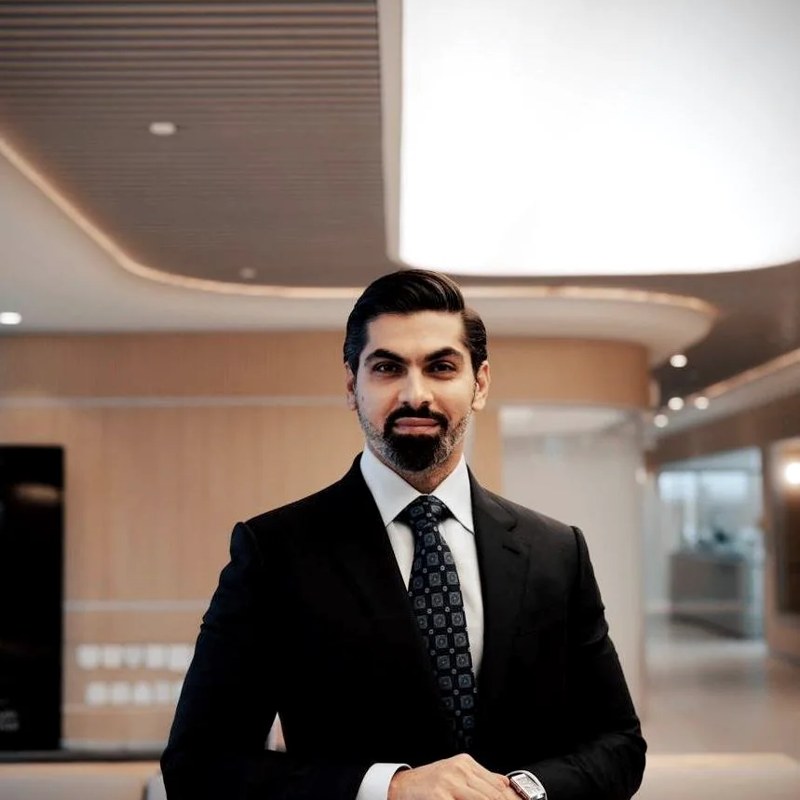
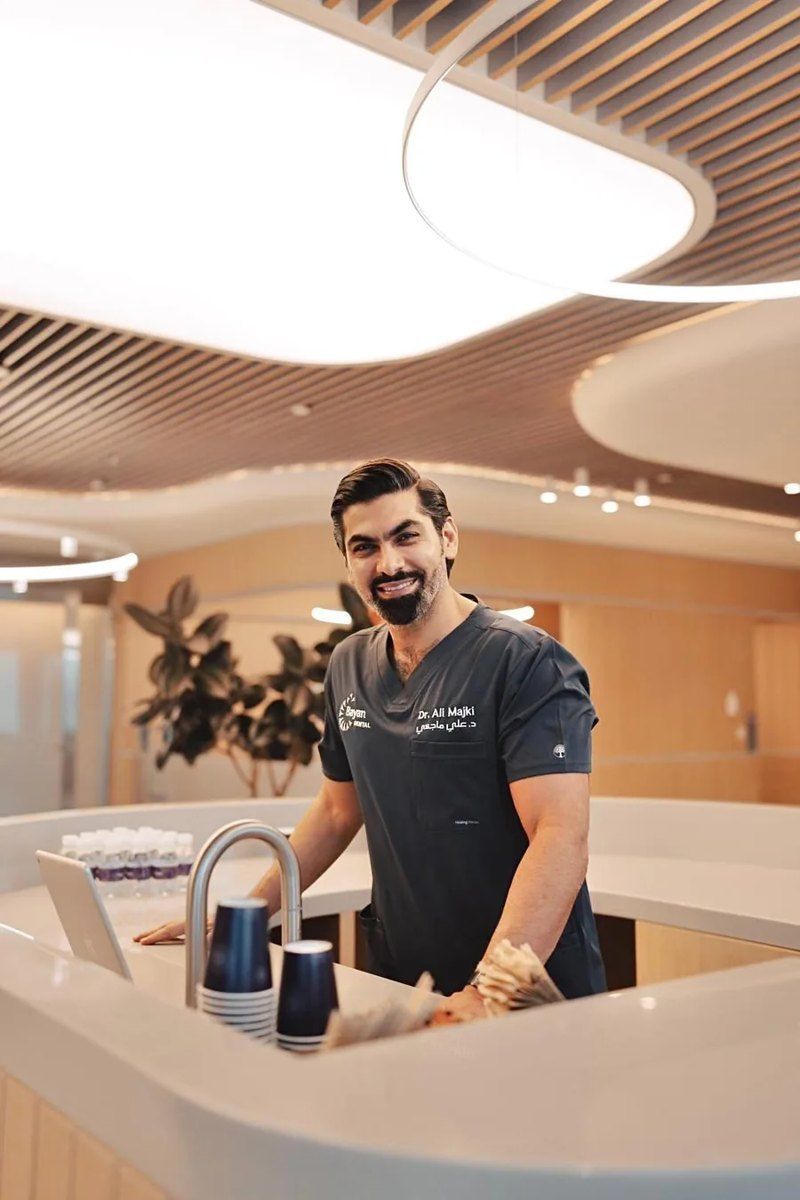
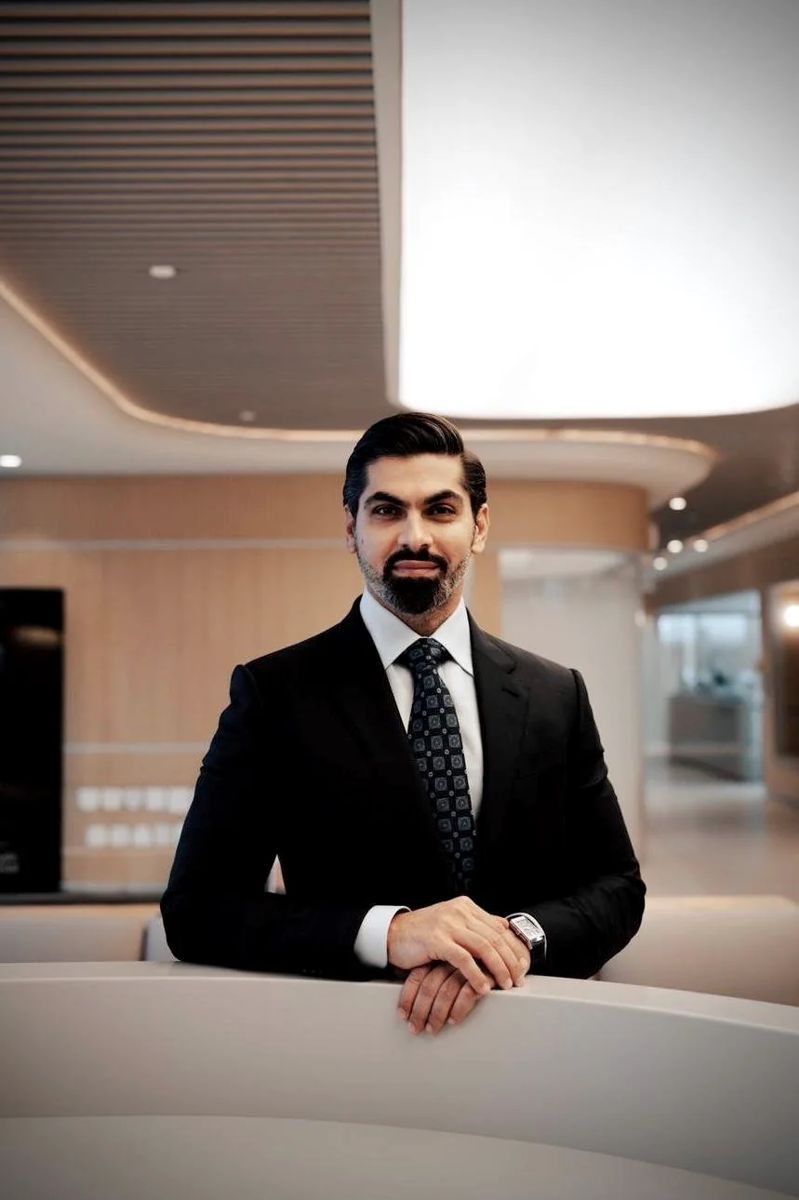
Once you agree, the approved design becomes the reference for the laboratory and for preparing the teeth. Dr. Ali Majki, a consultant in comprehensive and cosmetic dentistry, treats this as the last door for changes, which is why preparation does not begin until the patient is content with what they saw in their own mouth.
How many visits does it take, and what are the limits?
Photographs, video and the scan usually fit into one visit, with the design and mock-up at the next; more are added if you ask for alterations. The overall timetable depends on the treatment that follows, whether veneers, crowns or alignment before cosmetic work.
Digital smile design is a planning and communication tool, not a promise that the result will match the image to the millimetre. A recent systematic review of seven studies (Alwabel et al., 2025) found it was associated with higher patient satisfaction and clearer communication, while cautioning that the studies are few and varied and that longer-term research is needed.
Scientific sources
Coachman C., Calamita M.A., Sesma N. Dynamic Documentation of the Smile and the 2D/3D Digital Smile Design Process. International Journal of Periodontics & Restorative Dentistry, 2017; 37(2): 183-193. doi:10.11607/prd.2911
Jafri Z., Ahmad N., Sawai M., Sultan N., Bhardwaj A. Digital Smile Design: An innovative tool in aesthetic dentistry. Journal of Oral Biology and Craniofacial Research, 2020; 10(2): 194-198. doi:10.1016/j.jobcr.2020.04.010
Garcia P.P., da Costa R.G., Calgaro M. et al. Digital smile design and mock-up technique for esthetic treatment planning with porcelain laminate veneers. Journal of Conservative Dentistry, 2018; 21(4): 455-458. doi:10.4103/JCD.JCD_172_18
Alwabel L.K., Alabduljabar W.M., Alawfi L.K. et al. Digital Smile Design and Patient-Centered Outcomes in Esthetic Restorative Dentistry: A Systematic Review. Cureus, 2025; 17(11): e98084. doi:10.7759/cureus.98084
Frequently asked questions
Does digital smile design involve drilling? No. The design stage is photographs, a scan and a trial placed over the teeth. Any tooth preparation the treatment needs comes after you have approved the design.
What is the difference between the screen design and the mock-up? The screen design is a two-dimensional image of the proposed smile; the mock-up is a temporary version placed in your mouth so you can see it with your face and speech.
Can I change the smile design after seeing it? Yes, that is its purpose. Ask for changes to length or shape before approval, because altering finished restorations is much harder.
Why is a video taken as well as photos? Because lips move. The amount of tooth and gum on show when you talk and laugh differs from what a still photograph records.
Will the final result look exactly like the picture? It should be close, since the laboratory works from the same approved design, but an image is a simulation and real teeth reflect light differently. The mock-up is nearer to reality than the screen.
Where can I have a digital smile design in Kuwait? Dr. Ali Majki sees patients at Aline Dental in Shaab, Kuwait; patients come to him from across Kuwait — from Jahra to Al-Rai and The Avenues — and from Doha and Qatar.