What happens at a first dental visit?
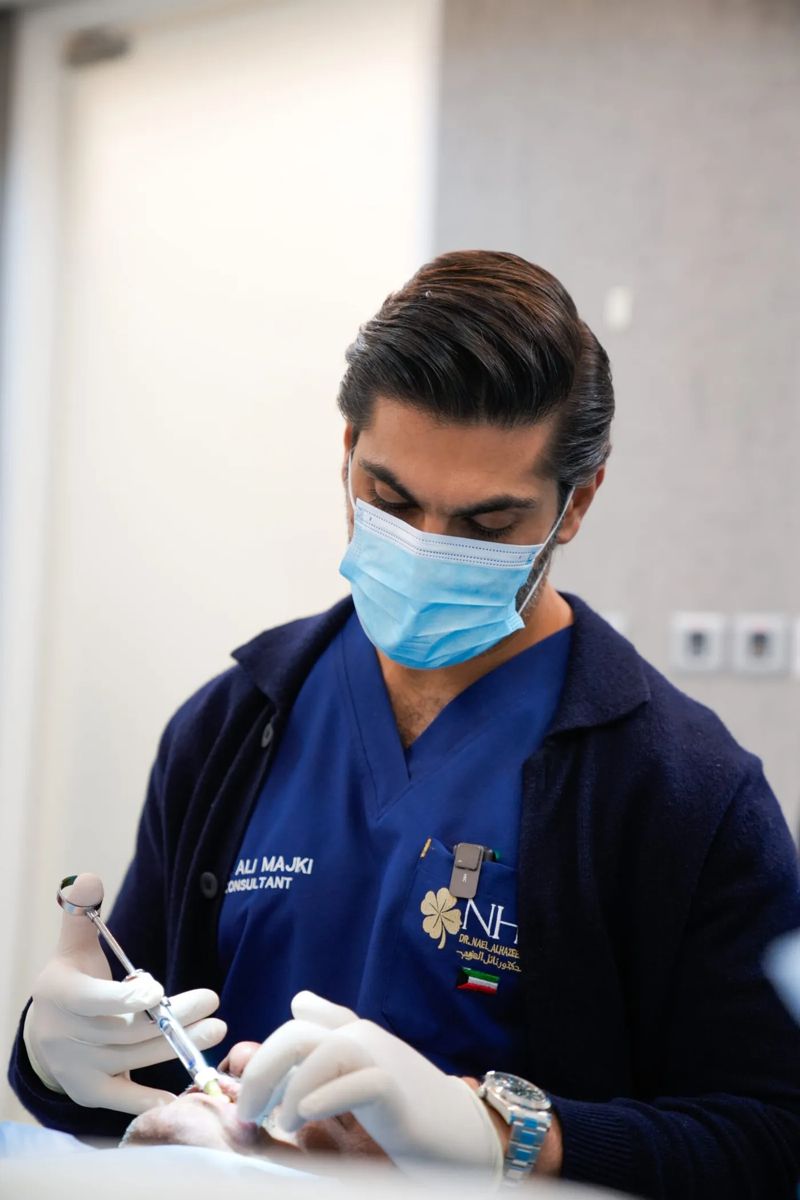
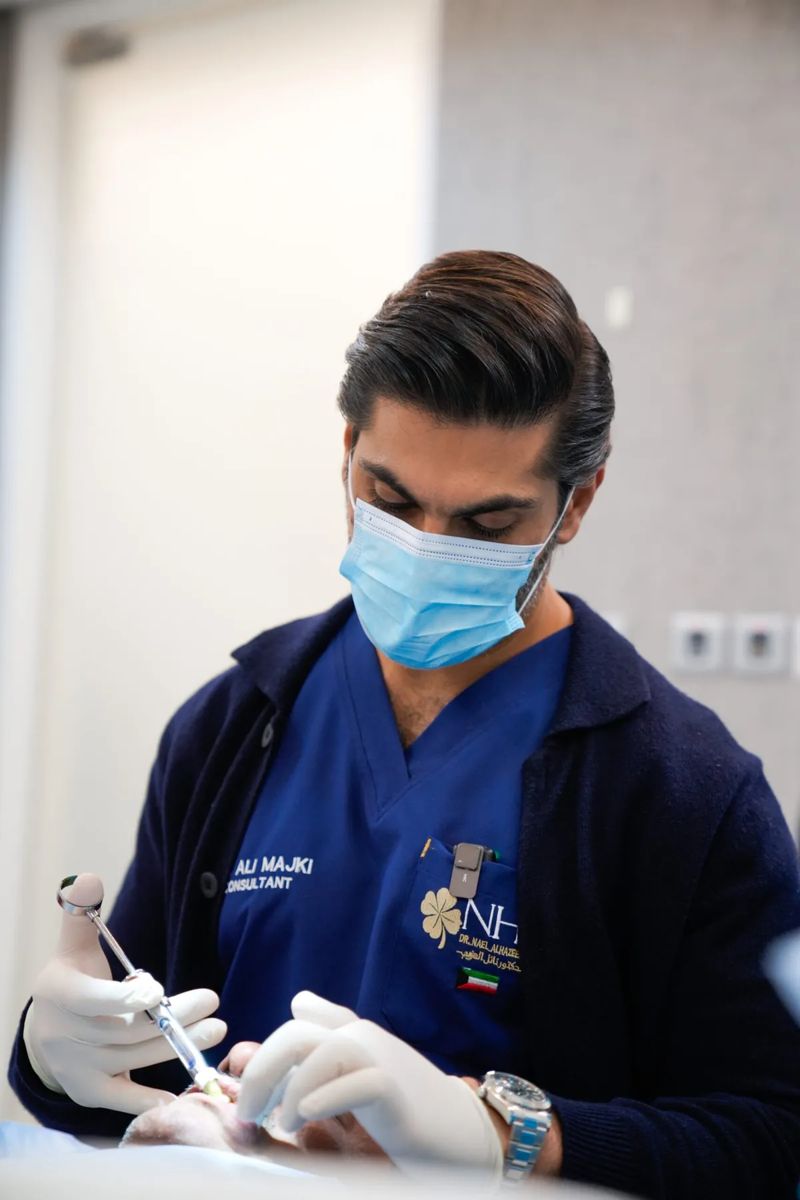
A first dental visit is mostly about information, not treatment. The dentist takes your medical and dental history, examines your teeth, gums, bite and the soft tissues of the mouth, usually takes one or more x-rays, and then explains what was found and what the options are. Except for an emergency, little or no actual treatment is done at this appointment — its purpose is an accurate diagnosis and a plan you understand.
Booking and what to bring
Searching for a dental check up Kuwait residents can trust usually ends in a first consultation like this. Bring a list of any medicines you take, details of medical conditions, and any previous x-rays or dental records if you have them. If you have a specific worry — pain, bleeding gums, a chipped tooth or the way your smile looks — note it down, because your first dentist visit sets the direction for everything that follows.
Your medical and dental history
Before looking in your mouth, the dentist asks about your general health. Conditions such as diabetes, heart problems, blood thinners, allergies and pregnancy all change how dental care is given, and gum health is closely linked to several of them. They will also ask about past treatment, sensitivity, grinding, diet and how you clean your teeth. This conversation is as important as the examination itself.
The clinical examination
A thorough dental examination in Kuwait covers every tooth for decay, cracks and failing fillings, the gums and supporting bone for signs of disease, the bite and jaw joints, and the soft tissues — cheeks, tongue and palate — including a screen for anything unusual. Gum assessment often uses a small probe to measure the spaces around the teeth; this periodontal screening follows the same stepwise logic set out in international periodontal guidelines, where disease is found and graded before any treatment is chosen.
X-rays: what and why
X-rays show what the eye cannot — decay between teeth, bone levels, the roots and any hidden infection. The number and type depend on your age, your risk and what the examination found, and modern digital sensors use a low dose. They are not taken at every visit for the sake of it, but a first visit usually needs at least some images to make the diagnosis complete.
Your treatment plan and next steps
With the findings together, the dentist explains your options in plain terms: what needs doing, what can wait, and what is purely cosmetic and optional. A good plan is staged and prioritised — urgent problems first, elective work later — and it should answer your questions before anything begins. This is also the moment to raise cosmetic goals, from whitening to a full smile design.
How often to come back
How often you return depends on your risk, not a fixed rule. A Cochrane review of recall intervals found that, for adults, a risk-based schedule gave much the same results as automatic six-month check-ups over four years. So someone with healthy teeth and gums may be seen less often than someone prone to decay or gum disease; the interval is set for you. Consultant Dr. Ali Majki plans both the first visit and the follow-up around the individual mouth.
Scientific sources
Fee P.A., Riley P., Worthington H.V. et al. Recall intervals for oral health in primary care patients. Cochrane Database of Systematic Reviews, 2020. doi:10.1002/14651858.CD004346.pub5
Sanz M., Herrera D., Kebschull M. et al. Treatment of stage I-III periodontitis — the EFP S3 level clinical practice guideline. Journal of Clinical Periodontology, 2020. doi:10.1111/jcpe.13290
Frequently asked questions
Will the first visit hurt? It should not — a first visit is mainly examination, history and x-rays; a local anaesthetic is only used if treatment is actually carried out.
How long does a first dental consultation take? Often around thirty to sixty minutes, and longer if a full set of x-rays or photographs is taken.
Do I need x-rays at the first visit? Usually some, because decay and bone loss between teeth cannot be seen by eye; the dentist takes only what is needed.
What should I do before a dentist appointment? Brush normally, bring your medicines list and records, and arrive a little early to complete the health form.
How soon will I start treatment? Often at a later visit, once you have a written plan and have agreed the priorities; emergencies are dealt with sooner.
Where can I book a first dental check-up in Kuwait? Dr. Ali Majki sees patients at Aline Dental in Shaab, Kuwait; patients come to him from across Kuwait — from Jahra to Al-Rai and The Avenues — and from Doha and Qatar.